
| 0 Produits | - | CHF 0.00 |
| Ajouter au panier | ||
Liebe Kundinnen und Kunden,
bitte beachten Sie, dass unser Büro über die Osterfeiertage vom 3. bis einschliesslich 6. April 2026 geschlossen ist. In dieser Zeit erfolgt kein Warenversand. Damit Ihre Bestellungen noch rechtzeitig vor den Feiertagen bearbeitet und versendet werden können, bitten wir Sie, Ihre Aufträge bis spätestens Donnerstag, den 2. April 2026, um 12:00 Uhr an uns zu übermitteln. Später eingehende Bestellungen werden ab dem 7. April 2026 wieder bearbeitet.
Wir danken Ihnen für Ihr Verständnis und wünschen Ihnen schon jetzt frohe und erholsame Osterfeiertage!
Ihr Team AllergyCare AG
************************************************************************************************************************************************************
Chères clientes, chers clients,
Veuillez noter que notre bureau sera fermé pour les fêtes de Pâques du 3 au 6 avril 2026. Pendant cette période, aucune commande ne sera expédiée. Pour que vos commandes soient traitées et expédiées à temps pour les fêtes, merci de les soumettre avant le jeudi 2 avril 2026 à 12h00. Les commandes reçues après cette date seront traitées à partir du 7 avril 2026.
Nous vous remercions de votre compréhension et vous souhaitons de joyeuses et reposantes fêtes de Pâques !
Votre équipe AllergyCare AG
************************************************************************************************************************************************************
Gentili clienti,
Vi informiamo che il nostro ufficio resterà chiuso per le festività pasquali dal 3 al 6 aprile 2026. Durante questo periodo, non verranno effettuate spedizioni. Per garantire che i vostri ordini siano elaborati e spediti in tempo per le festività, vi preghiamo di inviarli entro giovedì 2 aprile 2026 alle ore 12:00. Gli ordini ricevuti dopo questo termine saranno elaborati a partire dal 7 aprile 2026.
Vi ringraziamo per la vostra comprensione e vi auguriamo una Pasqua felice e serena!
Il team di AllergyCare AG
Your body is home to many trillion microorganisms, including 38 trillion bacteria. All together, the bacteria in your body weigh around 2 kg.
Not too long ago, it was thought that bacteria were all bad, that they only caused infections and disease. Today we know that the vast majority of bacteria are either harmless or actually beneficial to our health, and some of them are absolutely essential to our survival. Only a handful pose a pathogenic threat (meaning that they are potentially harmful) to humans.
Your gut microbiota
Together, all the microorganisms in your body, including bacteria, yeast, fungi, viruses and parasites, make up your microbiota. And this community of microorganisms (ie, all the microorganisms that can usually be found living together in any given habitat), and their "theatre of activity" (ie, not just that they are there, but also how they coexist and function together) is what we mean by the term microbiome.
Approximately 90-95% of these microorganisms can be found in our gastrointestinal tract, or what we commonly call our gut. The gut flora, or microbiota, consists of trillions of bacteria belonging to thousands of different species.
Benefits of Microbiota:
The gut flora may even affect the brain and therefore our moods..
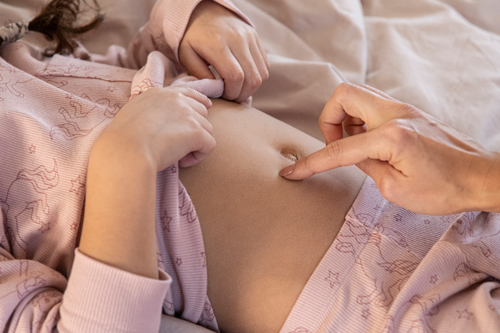
Where does your gut microbiota come from?
Infants establish their gut microbiota at birth and through the first three years of life. Babies are almost completely sterile at birth, but immediately thereafter bacteria start to colonise their mouth, their skin, their gastrointestinal tract and every other part of their body.
The first and most important factor affecting a baby’s microbiota is how they are born. Babies born vaginally acquire bacteria directly from their mothers as they pass through the birth canal. Whereas babies born via caesarean section primarily pick up bacteria from their mothers’ skin and the hospital environment, and they tend to have less beneficial bacteria overall in the first important days and weeks of life.
After birth, breastfeeding, bottle-feeding with expressed breastmilk, and/or formula-feeding are the second major factor affecting the baby’s microbiota. Breastfed babies have an abundance of bifidobacteria which consume oligosaccharides - special sugars that are found in breast milk and that can only be digested with the help of bifidobacteria. Other beneficial bacteria such as lactobacilli are passed on from mother to baby during breastfeeding.
The amount and diversity of bacteria continue to increase until the age of three. After the age of three, the child’s microbiota is more stable and largely resembles the composition of an adult’s.
Health starts in the gut
But how exactly?
You may have heard that 80% of your immune system is located in your gut. In fact, your gut, or gastrointestinal tract actually starts in your mouth and extends all the way through your oesophagus, to your stomach and small and large intestines. It is nine metres long and thanks to its 800-900 folds, it would cover half a tennis court if you laid it out flat. This makes your gut by far the largest contact surface your body has with the outside world and explains the importance your gut has for your immune system.
The role of the gut microbiome
The gut microbiome fulfils the dual roles of gatekeeper and personal trainer of the immune system, contributing to the mucus barrier that keeps pathogens out and teaches the immune system’s T-cells to recognise and destroy harmful entities. A balanced microbiota with enough good bacteria is important for a well-functioning immune system. The good bacteria educate the immune system and prepare it to fend off unwelcome invaders like bad bacteria and toxins.
#GutMicrobiota #MicrobiomeHealth #ImmuneSystemBoost #HealthyBacteria #GutFlora #EarlyLifeMicrobiota #InfantHealth #BalancedMicrobiome #GutHealthMatters #HealthBlog #Blog #StayInformed #Knowledge #AllergyCare
C. Dominguez, 28.08.2024
AllergyCare AG
Vordergasse 43
CH-8200 Schaffhausen